LCRH Security with Marc Lamb
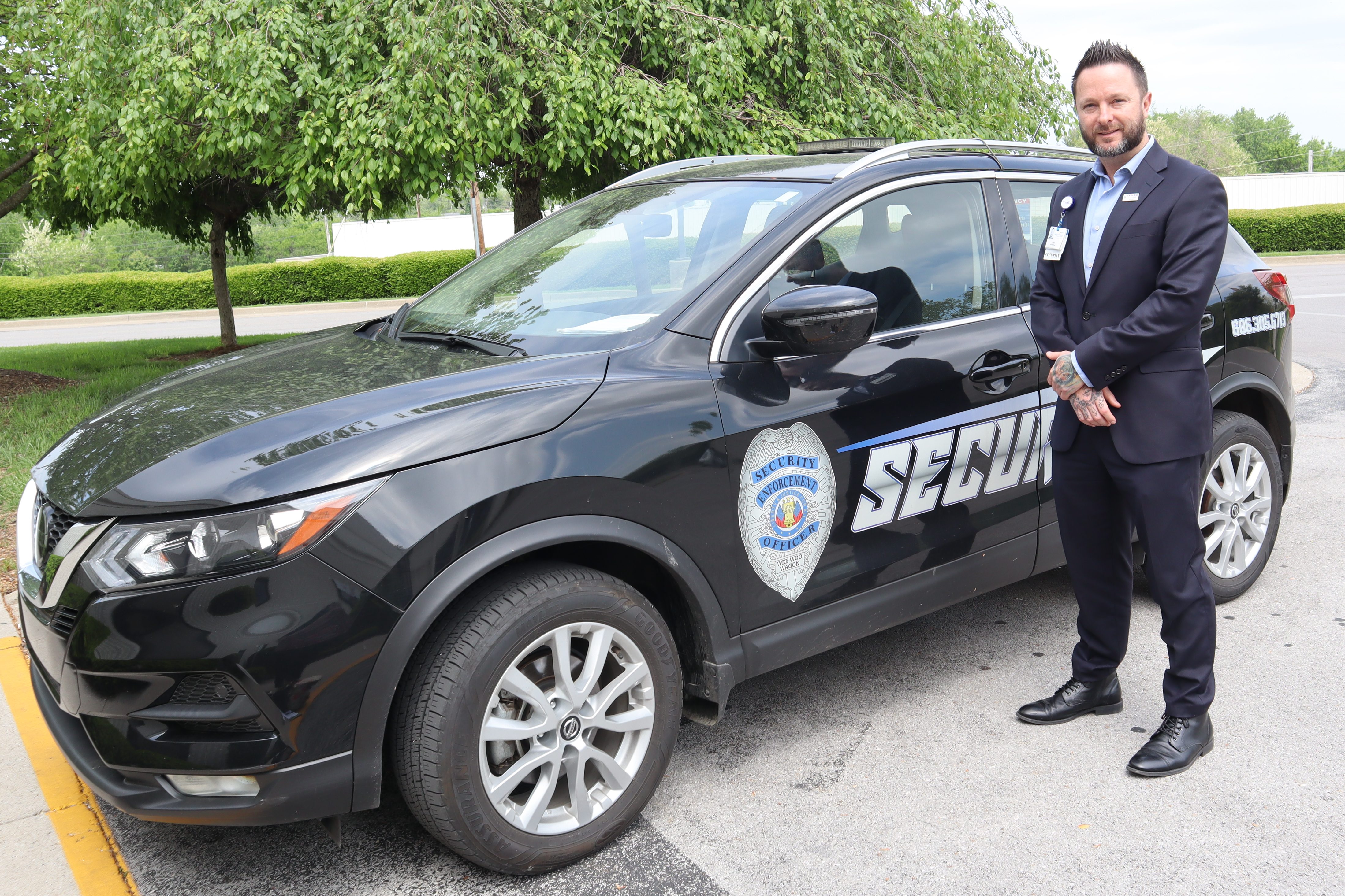
A typical day for a hospital safety officer is anything but typical. Lake Cumberland Regional Hospital’s Security Director, Marc Lamb, says the role demands a state of constant readiness due to the unpredictable nature of the healthcare environment.
“While proactive measures, such as visible patrols and a consistent presence, are essential for deterring potential incidents and identifying safety risks, officers must also be prepared to respond promptly and effectively to emergent situations,” Marc said. These can be anything from addressing incidents to de-escalating disruptive behavior, providing support during medical emergencies to responding to security breaches, as well as conducting threat assessments.
Daily routines may include safe escorts, enforcing access control, monitoring of security cameras, and filling out reports. Security staff undergo regular training and preparedness exercises.
The evolution of hospital security
Marc says the role of hospital security has undergone significant transformations over the years. “There’s a growing recognition of our critical role in cultivating a truly safe and secure environment for patients, visitors, and staff,” Marc explained.
Marc brought valuable experience with him from his work in Lexington when LCRH brought the security department in-house.
Marc said today’s hospital security places greater emphasis on proactive violence prevention strategies, comprehensive de-escalation training, and a deeper understanding of behavioral health.
He said the security staff is sensitive to the fact that being in the hospital can be a high stress situation. “While maintaining a state of readiness for challenging situations is crucial, we believe in the power of courtesy and compassion, striving to resolve conflicts peacefully whenever possible. As the saying goes, we aim to ‘be nice, until it’s time to not be nice’ – a philosophy we find surprisingly effective in a healthcare setting.”

Not to be misunderstood
While the preventative work is often unseen or overlooked, Marc says risk assessment, security audits, training, and visible patrols are critical components to having a safe environment.
Marc said navigating the hospital’s complexity takes training and collaboration across all departments.
“Think of all the different units and departments that make up a hospital. People may not realize the extent to which we collaborate with other departments, from nursing and medical staff to facilities and administration, as well as external agencies like law enforcement and emergency medical services.”
When you encounter a hospital security officer at Lake Cumberland Regional Hospital, you aren’t just seeing a guard — you are seeing a highly trained professional using a diverse skill set at a moment’s notice. “We are often the first responders to a wide range of critical situations,” Marc explained.

Prevention + Protection
When it comes to prevention, Marc said visible patrols and a physical presence are key deterrents. “We also focus on identifying and addressing potential safety hazards and maintaining open communication with staff to flag any early warning signs.”
In order to balance accessibility for patients and visitors with the need for strict security, Marc says his team tries to prioritize a welcoming environment while maintaining vigilance through access points, visitor management policies, and a balance of visible security and discreet monitoring to ensure safety without impeding necessary access.
While the hospital can see upwards of 2,000 people at any given time, the LCRH campus is comprised of 30 outlying buildings on more than 20 acres.
Marc said certain areas do require a closer eye, including the emergency department, the behavioral health unit, and women’s services because of their specific vulnerabilities and the sensitive nature of the activities within them. “We consider these our high risk areas,” he said.
Crisis + Emergency Response
“We conduct regular drills and training exercises based on our hospital’s emergency management plan. This plan includes specific protocols for natural disasters, fires, and active threat scenarios, ensuring coordinated responses with staff and local emergency services,” Marc explained.
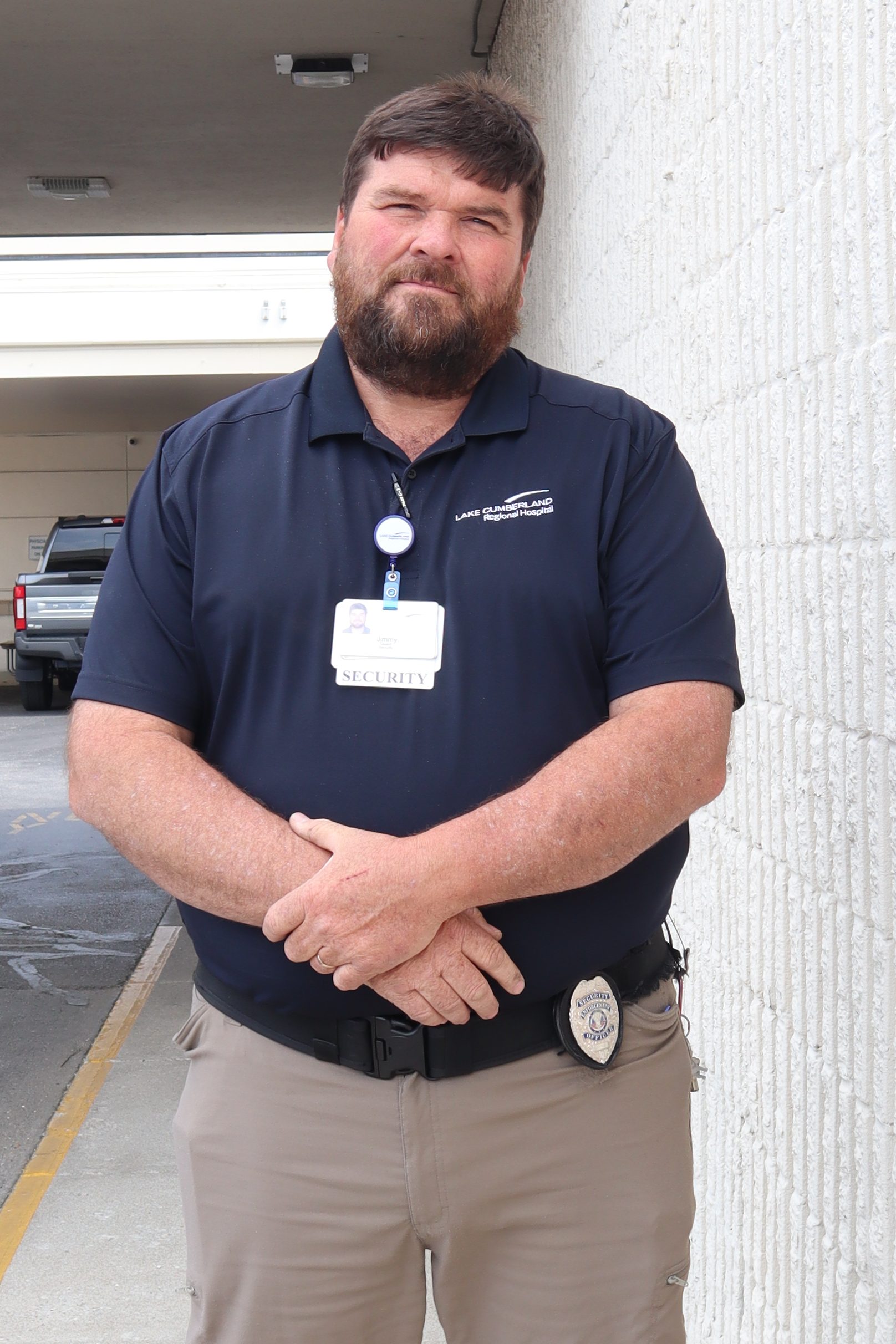
Marc said each of the officers brings unique skills that help in various situations. He recalled a particularly sensitive situation in which Jimmy Thompson, one of the security officers, was able to establish verbal contact with a distressed individual, speaking calmly and empathetically to encourage that person to accept needed care and support.
A longtime hospital employee, Jimmy moved into security when the department came in-house. Marc said his longevity with the organization, along with his local roots, are proven assets, are proven assets, along with his natural ability to communicate and gently diffuse situations.
Supporting Staff + Patients
LCRH is a large facility, open 24 hours a day. As such, Marc said they implement security measures to keep all employees safe on every shift. This can include more frequent patrols, staff escorts, and encouraging buddy systems where appropriate.
The team’s training includes understanding the facility’s protocols for dealing with difficult or aggressive patients or visitors, while prioritizing the safety of the individual, staff, and other patients, and involving law enforcement when necessary.
“We maintain a discreet but vigilant presence, ensuring that conversations and patient information are not easily overheard,” Marc said. “We also support hospital policies regarding the proper handling and disposal of sensitive information and address any potential breaches of privacy immediately.”
Training + Coordination
The team trains in self-defense, emergency response, legal procedures, behavioral health awareness, and specific policies and procedures relevant to the facility.
“We maintain close relationships with the Pulaski County Sheriff’s Department, Somerset Police Department, Pulaski County EMS, and other relevant agencies,” Marc said.
The Pulaski County Sheriff’s Department is contracted to provide additional security on nights and weekends.
“We participate in community joint training exercises when feasible to ensure seamless collaboration during emergencies and routine operations,” Marc said.
Technology + Tools
With the ever-changing landscape of technology, Marc says it plays a key role in the hospital’s security systems from surveillance to badge access and reliable communication tools.
“We also use technology to report crucial data that helps us develop strategies to keep patients, visitors, and staff safe,” he said.
“We are continuously evaluating potential upgrades, including enhanced video analytics for proactive threat detection and improved communication systems to further streamline our response capabilities within the hospital,” Marc explained.
Community + Values
Marc said the LCRH security teams aims to be approachable and professional, building trust through consistent presence and a commitment to safety.
If there’s one thing he wishes the public knew about his team, Marc said, “We are dedicated to the well-being of everyone in the hospital, often working behind the scenes to maintain that security. Beyond responding to incidents, a significant portion of our work involves preventative efforts aimed at ensuring a safe and healing environment. At the end of the day our primary goal is for patients, visitors, and staff to feel safe at Lake Cumberland Regional Hospital.
 Compass Communications