McCreary County, Kentucky
Story and photos by Tyler Adams
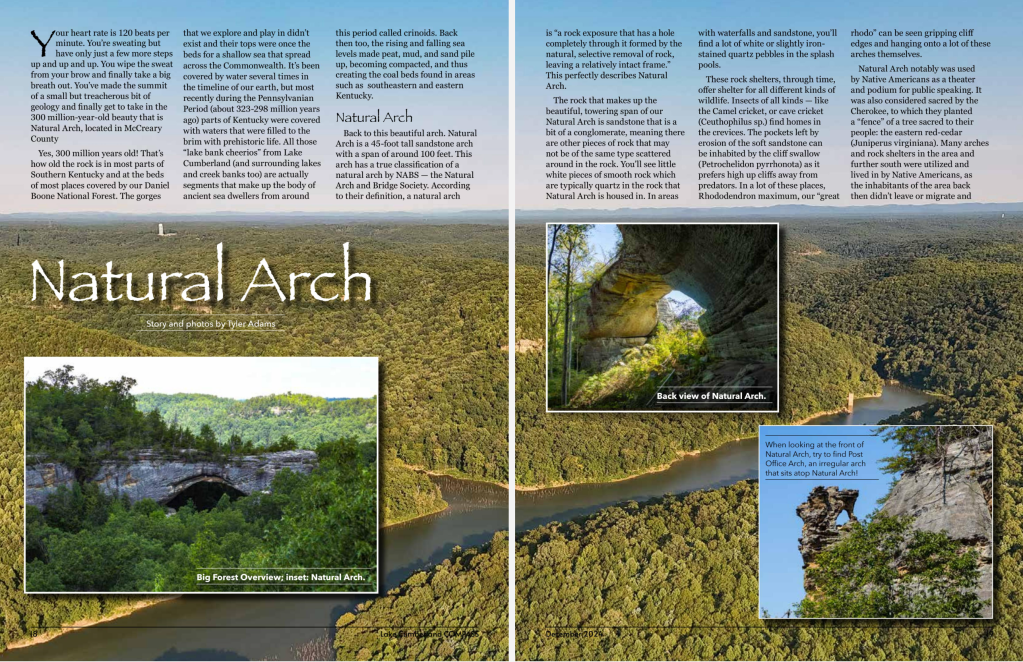
Your heart rate is 120 beats per minute. You’re sweating but have only just a few more steps up and up and up. You wipe the sweat from your brow and finally take a big breath out. You’ve made the summit of a small but treacherous bit of geology and finally get to take in the 300 million-year-old beauty that is Natural Arch, located in McCreary County
Yes, 300 million years old! That’s how old the rock is in most parts of Southern Kentucky and at the beds of most places covered by our Daniel Boone National Forest. The gorges that we explore and play in didn’t exist and their tops were once the beds for a shallow sea that spread across the Commonwealth. It’s been covered by water several times in the timeline of our earth, but most recently during the Pennsylvanian Period (about 323-298 million years ago) parts of Kentucky were covered with waters that were filled to the brim with prehistoric life. All those “lake bank cheerios” from Lake Cumberland (and surrounding lakes and creek banks too) are actually segments that make up the body of ancient sea dwellers from around this period called crinoids. Back then too, the rising and falling sea levels made peat, mud, and sand pile up, becoming compacted, and thus creating the coal beds found in areas such as southeastern and eastern Kentucky.
Natural Arch

Back to this beautiful arch. Natural Arch is a 45-foot tall sandstone arch with a span of around 100 feet. This arch has a true classification of a natural arch by NABS — the Natural Arch and Bridge Society. According to their definition, a natural arch is “a rock exposure that has a hole completely through it formed by the natural, selective removal of rock, leaving a relatively intact frame.” This perfectly describes Natural Arch.
The rock that makes up the beautiful, towering span of our Natural Arch is sandstone that is a bit of a conglomerate, meaning there are other pieces of rock that may not be of the same type scattered around in the rock. You’ll see little white pieces of smooth rock which are typically quartz in the rock that Natural Arch is housed in. In areas with waterfalls and sandstone, you’ll find a lot of white or slightly iron-stained quartz pebbles in the splash pools.
These rock shelters, through time, offer shelter for all different kinds of wildlife. Insects of all kinds — like the Camel cricket, or cave cricket (Ceuthophilus sp.) find homes in the crevices. The pockets left by erosion of the soft sandstone can be inhabited by the cliff swallow (Petrochelidon pyrrhonota) as it prefers high up cliffs away from predators. In a lot of these places, Rhododendron maximum, our “great rhodo” can be seen gripping cliff edges and hanging onto a lot of these arches themselves.

Natural Arch notably was used by Native Americans as a theater and podium for public speaking. It was also considered sacred by the Cherokee, to which they planted a “fence” of a tree sacred to their people: the eastern red-cedar (Juniperus virginiana). Many arches and rock shelters in the area and further south were utilized and lived in by Native Americans, as the inhabitants of the area back then didn’t leave or migrate and hunted and foraged at home here in Kentucky.
The scenic area this arch is housed in is called Natural Arch Scenic Area and is managed by the National Forest Service. It’s located in Parker’s Lake, approximately 20 miles south of Somerset, and about 1.8 miles down Day Ridge Road. The area is day-use only and is open from 6 a.m. to 10 p.m. When you go there, you can go to the north-western part of the parking lot for the Natural Arch Overlook which is a very accessible spot to look over the arch and the surrounding Buffalo Canyon. If you’re feeling more adventurous, you could take the trails under the arch and really soak in the true feeling of standing where Native Americans themselves stood and held so important. There’s just something to me about not only hiking and being out in nature, but experiencing the feeling of looking up into history that we can all take a part in getting a view of!
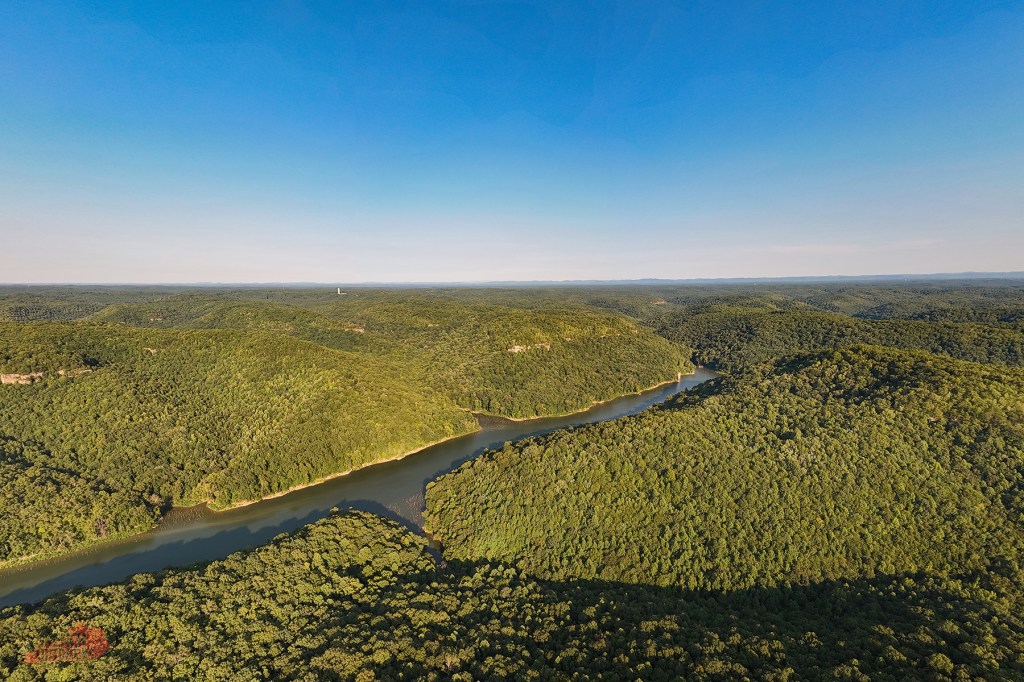
Big Forest Overview

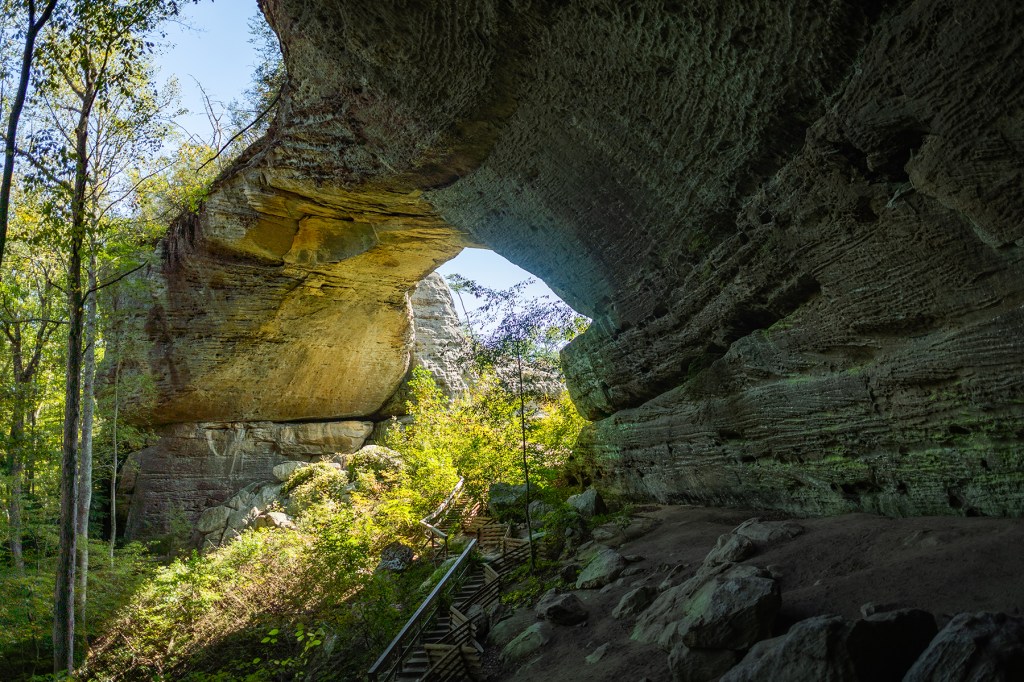
Back view of Natural Arch

Natural Arch

When looking at the front of Natural Arch, try to find Post Office Arch, an irregular arch that sits atop Natural Arch!
 Compass Communications