By Ashley Hoseclaw, MSN, RN, IBCLC, Perinatal Educator, Lake Cumberland Regional Hospital

November is Prematurity Awareness month and while breastfeeding is important for all newborns, it can be even more beneficial to a fragile, premature baby. A full-term pregnancy is 40 weeks. A baby is considered premature if born before the 37th week of pregnancy is completed.
Breastmilk is the perfectly matched nutrition for all neonates, though there are extra risks preemies face and breastmilk can increase their protection. Just as with any delivery, we want mothers to provide kangaroo, or skin-to-skin, care to their newborns in the first hour of life and beyond. This is a great way to assist in baby’s transition to extra uterine life by stabilizing the newborn’s heart rate, temperature, respirations, blood glucose, and more. This also allows baby the opportunity to lick and nuzzle and hopefully latch at the breast for the first time.
Mom and baby may need to be temporarily separated if baby requires extra medical attention. For example, one important concern with premature babies is their lung function. The lungs undergo a lot of development in the last weeks of pregnancy. A baby that is born early may need supplemental oxygen or other assistance.

Moms often feel scared and want to do what they can to help their baby. We can support her by teaching her how to hand express colostrum, assist her in using a breast pump to stimulate her breasts to begin producing milk, and also allow her and baby to be as close as possible. Infants receiving extra care may need to stay in the nursery. Getting mom and dad into the nursery to observe, touch, provide kangaroo care, assist in their care as they can, and just be near them can be comforting to parents and baby mutually.
Premature babies have been proven to be at higher risk for health problems such as necrotizing enterocolitis, or NEC, a gastrointestinal problem that can be fatal. Breastmilk has unique properties that help protect against NEC by establishing a healthy gut environment.
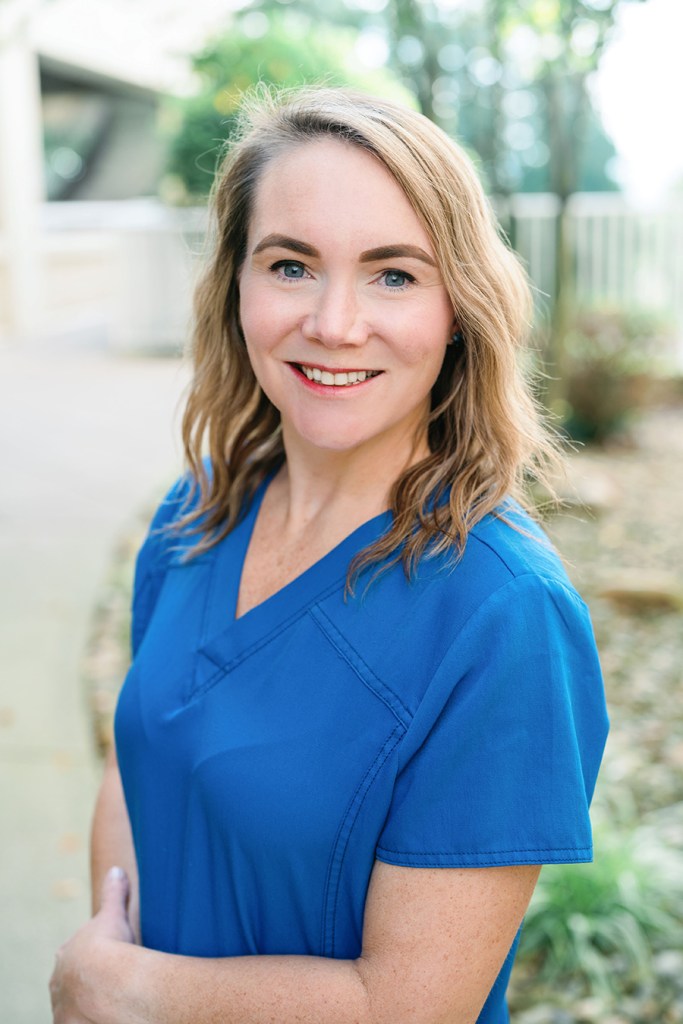
To look at other factors to consider with premature births, I connected with Elizabeth Garland, BSN, RN, CLC, Director of Women’s and Children’s Services at Lake Cumberland Regional Hospital. Elizabeth was excited to share that as of September 2024, LCRH now offers donor milk to babies who are patients in our facility. The milk is purchased by the hospital from The Milk Bank, a non-profit organization. The Milk Bank accepts donor milk from mothers who have been carefully screened. The milk is pasteurized, frozen, and shipped to our facility where it can be used for babies who are in need of supplemental milk, at no cost to the family. This service is available to all newborn patients, not just premature babies. This can be very reassuring to a mother who wants to exclusively breastfeed but encounters a situation where her baby can benefit from donor milk as she establishes her milk supply. More information regarding The Milk Bank can be found at http://www.themilkbank.org.
When newborns face health challenges, parents can feel helpless to help meet their needs. Elizabeth pointed out that there is a respiratory syncytial virus (RSV) vaccine available to expectant mothers and babies. This virus, that affects the lungs, is common, but can be devastating in newborns. Premature newborns are especially vulnerable. Similar to the way other vaccines work, the RSV vaccine can help to prevent a baby from getting this virus or decrease the severity of the illness if baby does contract it. Expectant mothers can receive the vaccine between 32-36 weeks of pregnancy to provide protection to the baby. If mom did not receive the vaccine, baby can be vaccinated after delivery. If you have questions, please reach out to your obstetric and pediatric care providers.

Premature births cannot always be predicted or prevented, but the best way to protect yourself and your baby is to establish care prior to becoming pregnant and begin early prenatal care.
We are passionate about caring for our patients and we are excited about the services and opportunities available to our patients. The issues surrounding prematurity are varied and we have only discussed a few here. To become better informed on providing the best start for you and your baby please visit lakecumberlandhospital.com to sign up for a breast-feeding and prenatal class.
 Compass Communications