Seven Stories of Survival
Story by Lisa Rowell


We asked Brooke Cary Whitis, of our local American Cancer Society, to connect us with breast cancer survivors for this story. We had no idea there would be seven very tender-hearted accounts from our friends and neighbors, who were willing to share very personal stories about their journeys with breast cancer. Some are still mid-journey. These seven Pink Warriors are a fraction of the vast number of women who have been impacted by this disease, not only in our communities, but worldwide. While reading their stories, you may notice they use words like, “blessed, strong, faith, and support,” throughout their accounts.
We hear about it every October. We know we should be getting mammograms. We do the walks. We listen to the talks. We do our self exams and visit with our health care providers. Awareness and early diagnosis are key. We know this, yet in today’s day and age, one in eight women will develop breast cancer.
Statistics
Although Kentucky ranks high for lung and colon cancers, it falls somewhere in the middle when it comes to breast cancer diagnoses in the U.S. According to the National Breast Cancer Foundation, where someone resides could have an impact on the chances of receiving a breast cancer diagnosis.
While the breast cancer incidence rate is much higher in states like Connecticut, Rhode Island, and Massachusetts, the NBCF states that the mortality rates are much lower in those states than in southern states like Mississippi, Oklahoma, Georgia, and Louisiana, where breast cancer incidence rates are lower.
There is so much we still don’t know. The NBCF says that it’s not entirely clear what causes breast cancer, however, genetics play a role, and quite possibly, the impact of environmental pollutants and toxic chemicals could as well.
The organization indicates that higher survival rates are likely a result of factors such as overall health, early detection, access to treatment, and better education and awareness about the importance of early detection.
Types of breast cancer
Not all breast cancers are alike. The most common type is invasive ductal carcinoma (IDC), which makes up about 70-80 percent of all breast cancers. Other types include: ductal carcinoma in situ (DCIS); lobular carcinoma in situ
(LCIS); invasive lobular cancer (ILC); triple negative breast cancer (TNBC); inflammatory breast cancer (IBC); metastatic breast cancer (MBC); breast cancer during pregnancy; medullary carcinoma; tubular carcinoma; mucinous carcinoma; Paget’s disease of the breast or nipple; metaplastic breast cancer; phyllodes tumors; and angiosarcoma of the breast. The NBCF has informative descriptions of these at: nationalbreastcancer.org/types-of-breast-cancer.
Detection
We’re fortunate to have access to technology such as 3D digital mammography close to home at Lake Cumberland Regional Hospital. This advanced technology helps distinguish harmless abnormalities from real tumors, leading to fewer callbacks and less anxiety. Every mammogram is read by a radiologist with advanced training in breast imaging.
We talked with Jessica Simpson, RN, about this technology and her role in helping people through this difficult diagnosis. As the Nurse Navigator, Jessica works with individuals who are diagnosed with breast cancer and helps them through their journey from diagnosis to the start of their treatment.
Jessica’s role is fairly new, having been implemented at LCRH’s Imaging Center in 2021. She says, “It’s tailored to where you are,” in the journey. She is able to talk with and help guide people in real time.
Jessica explained that while regular screening results still come from your health care provider, diagnostics have same-day results from one of three radiologists on staff at the Imaging Center. Jessica is there to help guide you through further diagnostics such as ultrasounds and biopsies.
Jessica says she is happy to schedule tours of the equipment at the Imaging Center and answer questions for anyone who might be interested.
“Sometimes people just need an ear,” and Jessica is happy to be that ear.
Lindsey Sexton

A registered nurse living in Monticello with her husband, Jeff, and their three children, Lindsey Sexton was diagnosed with ductal carcinoma in-situ (DCIS) and microinvasive carcinoma in May of 2021.
“With much prayer and discussion with my team of doctors, I decided to take radical measures and have a bilateral mastectomy with immediate reconstruction,” Lindsey said.
“Due to early detection and the radical surgery, I did not have to receive chemotherapy or radiation treatment,” she added.
Lindsey received her treatment at Baptist Health in Louisville.
Lindsey’s gratitude through her breast cancer journey runs deep. “I had the most amazing support system,” Lindsey recounted. “They literally stood in the gap and carried me and my family through one of the hardest times in my life.”
Lindsey said in addition to her husband never leaving her side, her church family — First Christian Church of Monticello — was supportive of her and her family through the illness. “They prayed over us, provided food for us, and when the food ran out, there were gift cards for more. They made sure my kids were thought of during this time. Phone calls and cards of encouragement were a few of the other things they provided,” Lindsey said.
She said her work family at Wayne County High School was also supportive, as were her parents, Gene and Rita, who helped with her children.
Lindsey’s friends: Emily, Anita, and Jamie, gave her a girl’s day before her surgery.
“My best friend, Jessica, was my chauffer and daily motivational coach,” she said.
She also said her brother Kevin and his family were supportive. “He came and sat with my husband during my nearly seven-hour surgery,” she said.
She also expressed gratitude to “Taylor, Nisha and Greg for continuing to encourage and support me for a goal I was determined to achieve.”
Lindsey also acknowledged the Pink Warriors who, she said “waded the trenches before me.”
“Honestly, my entire community stood beside me and carried me through. The best way I received support was through the prayers of my family, my friends, my church and my entire community. God’s masterful touch is all over my story.”
Lindsey wants other women who are going through a similar journey to know, “You are stronger than you know and give yourself credit for. You have a super power within you waiting to be released. Keep going and you can do hard stuff!”
“I am doing great now,” Lindsey said. “It’s hard to believe that it has been three years since my diagnosis and surgery. At this point, I hope I can flip roles and offer support to other Pink Warriors in the fight.
Amber Leigh Finley

A 43-year-old single mom, Amber Leigh Finley was diagnosed with stage 3A, grade 3 invasive ductal carcinoma in August of 2021.
“I’ve had a double mastectomy, a total hysterectomy, chemo, radiation, an ICU stay, injections, and an AI (aromatase inhibitor),” Amber said.
“My mother died of lung cancer, my father has bladder cancer, my aunt has endometrial cancer, my cousin died of colon cancer, my uncle died of liver cancer, my sister was diagnosed with breast cancer two months after I was and now hers has spread to stage four,” she said of her family’s harsh battle with cancer.
“It is just everywhere and it’s hard to breathe when I think about my boys growing up and probably having to deal with this as well.”
Amber said her diagnosis was frustrating. “I went and got my mammogram when I was supposed to,” She explained. “They noticed an area of concern, did an ultrasound and decided that it was fine. Eight months later, I had stage three breast cancer.
Laura Rutherford Phelps
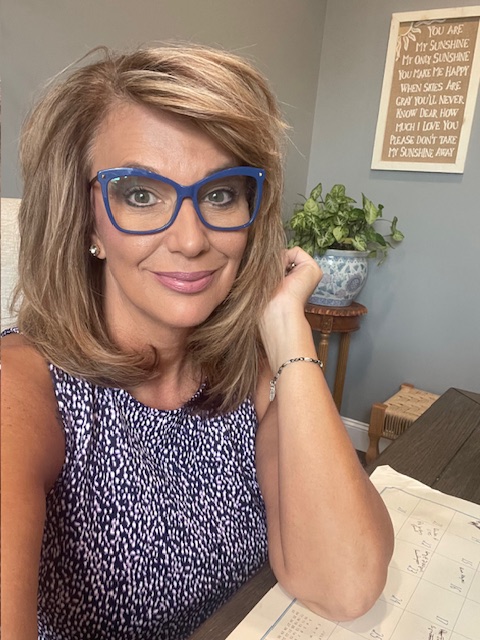
For Somerset resident Laura Rutherford Phelps, her journey with breast cancer literally altered the course of her life.
Laura said she did not have the support of her husband at the time, and was able to find the courage to walk away from her home of 21 years. “Everyone deserves a partner that will be 100 percent supportive and committed during a life altering event,” she said. It’s something she’s since found in her husband James whom she said is the most supportive, peaceful and loving man she’s ever met.
She is joyfully in the midst of her second career as an HR consultant, after completing her degree, and is living life enjoying her family, which includes daughter Brandi and her husband Ian, and their three sons. She said she is also the proud mom of two “bonus” kids.
It’s been a bumpy road to get where she is now. “On March 27, 2014, at precisely 8:07 a.m., my phone rang and that call would change my life drastically,” Laura said. She had just been told she had mucinous carcinoma of the right breast.
“I was only 44, so how could this be true?” Laura thought. This type of cancer, although rare, is most often diagnosed in much older women.
“I knew I had to face this challenge head-on. I told myself I was strong, I could do this. It was a daily pep talk to myself,” Laura recalled.
“Even if my then husband didn’t provide support, others would step up in ways that made up for it. My siblings took me to surgeries, they took me to treatments, they doctored the wounds,” she recalled.
Laura’s course of treatment included surgery and radiation. She was also able to undergo reconstructive surgery in 2014. She still has yearly visits with her oncologist. She took Tamoxifen for the next eight years to help reduce the risk of the cancer returning.
“Every pill and every pain that pill caused was a reminder of the battle I was fighting, and it was a symbol of my commitment to living my life fully and with peace,” she said.
“Breast cancer is a journey that can often feel incredibly isolating. You start down this path, and even though you’re surrounded by doctors and loved ones, the fear and uncertainty can make you feel very much alone. I was blessed to be connected with other ladies who had also walked my path. That’s why I strive to be a voice and a source of support for other women — and men — who are facing this diagnosis. I want them to know they are not alone and that there is a community of survivors ready to lift them up.”
In 2016, the American Cancer Society named Laura a Voice of Hope.
Brandy Patton
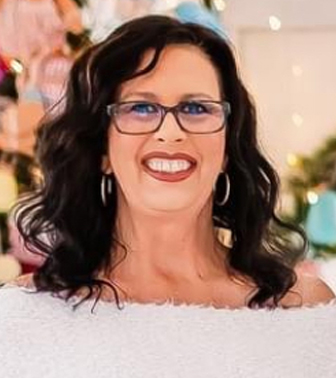
A resident of Albany, Ky., 41-year-old Brandy Patton was diagnosed with HER2+, stage 2 breast cancer in February of 2018.
“I knew something was not quite right when I noticed drainage from my right breast. I kept putting it off, thinking it would go away,” she said.
Several months later, she said she was experiencing severe chest pain. “The first doctor I went to diagnosed me with an ulcer — no examination, no tests, just a diagnosis.” She said she awakened that night to feeling like something had ruptured in her chest, accompanied by extreme stabbing pain.
“I immediately went back to the doctor that morning demanding an X–Ray,” Brandy said. Not receiving a diagnosis she felt was accurate, she decided to meet with her gynecologist who confirmed a lump in her right breast. The gynecologist’s office couldn’t get her in for a mammogram for two months.
“She had me get an appointment with another doctor to see what was causing the chest pain.” Within minutes, she said she was having labs drawn, an EKG run, and was scheduled the following week for a mammogram.
“From the day of my mammogram until now has been an extreme roller coaster, to say the least,” Brandy said. Within a matter of a few days, she had a mammogram, then ultrasound, sonogram, contrast mammogram, two biopsies, then genetic testing, all to be on the receiving end of a phone call telling her she had breast cancer.
“The doctor that performed my mammogram and the other tests knew something was up because on the day of the biopsy, she asked me where I wanted to go, just in case. I had no idea, so I calmly told her to send me to where she would send her daughter, and she immediately made a recommendation.”
Within the next few days, Brandy was meeting with a surgeon, an oncologist, and a cardiologist.
“I was diagnosed with HER2+, which had spread to my lymph nodes and was considered an aggressive type of cancer.”
Brandy said the doctors wasted no time. It was a total of 11 days from her diagnosis to her first chemo treatment.
Brandy said getting used to the numbness of her entire chest after a bilateral mastectomy was challenging and it was also a shock to lose her long hair.
“Cancer is a monster, that is true! But what I decided from day one of my diagnosis was that I would FIGHT, I would not ask ‘why me,’ and I would have a winning attitude.”
She recalled the words of a woman she met at her first chemo treatment. “I met several people but there is one lady that will forever be with me the rest of my life. She said, ‘You have the right to cry, scream, and have a pity party, but you put a timer on that pity party because life doesn’t stop for me, you, or anyone else. Feel sorry for yourself for 10 minutes, then put on your big girl pants, and kick cancer’s butt.’ ”
And that is precisely what she did. “I would cry until I couldn’t anymore when I was in the shower. When I got out of the shower, I was good to go for a while longer. I chose to fight for me, my kids, my family, and everyone else. For the one reading this: YOU HAVE GOT THIS and YOU ARE NOT ALONE! God loves you, and I love you!”
Melissa Coop
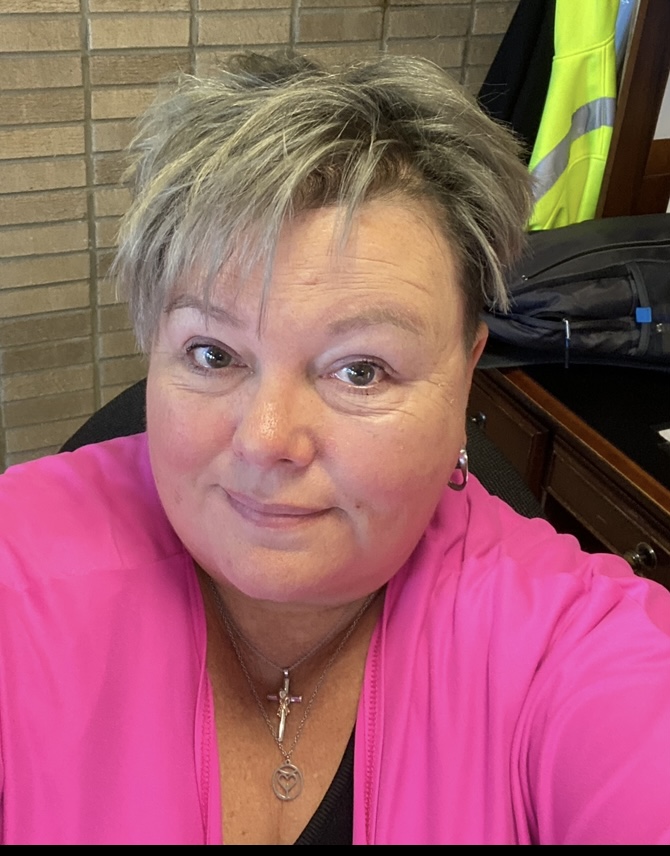
Melissa Coop is a Somerset resident who was diagnosed in March of this year with IDC – malignant neoplasm, estrogen receptor positive (CMS/HCC).
The 54-year-old administrative specialist senior with the Kentucky Transportation Cabinet, has three adult sons and one grandson. She lost her second husband just eight days after her diagnosis.
“After biopsies, it was decided that I would have a lumpectomy, followed by radiation and a five-year course of hormone blockers,” Melissa said. She received her treatment in Lexington at the Markey Cancer Center.
Melissa encourages those yearly mammograms. “Had mine not been detected during a yearly mammogram, my outcome would have been much different. When I went for my lumpectomy, there were no traces of cancer to be found! The area was so small that the biopsy removed all the cancer!! Early detection is the key!”
Melissa says she’s doing well, “I have started the hormone blocker. So far no side effects or issues with it. I’ll be having a hysterectomy in December. Being pro-active and trying to prevent recurrence.”
“God was my biggest support through my journey!” Melissa exclaimed. “I have two wonderful churches that were very supportive of me, as well as my family and friends.” Melissa said she received support through personal visits, texts, and online messages.
Heather L. Hurt-McAninch
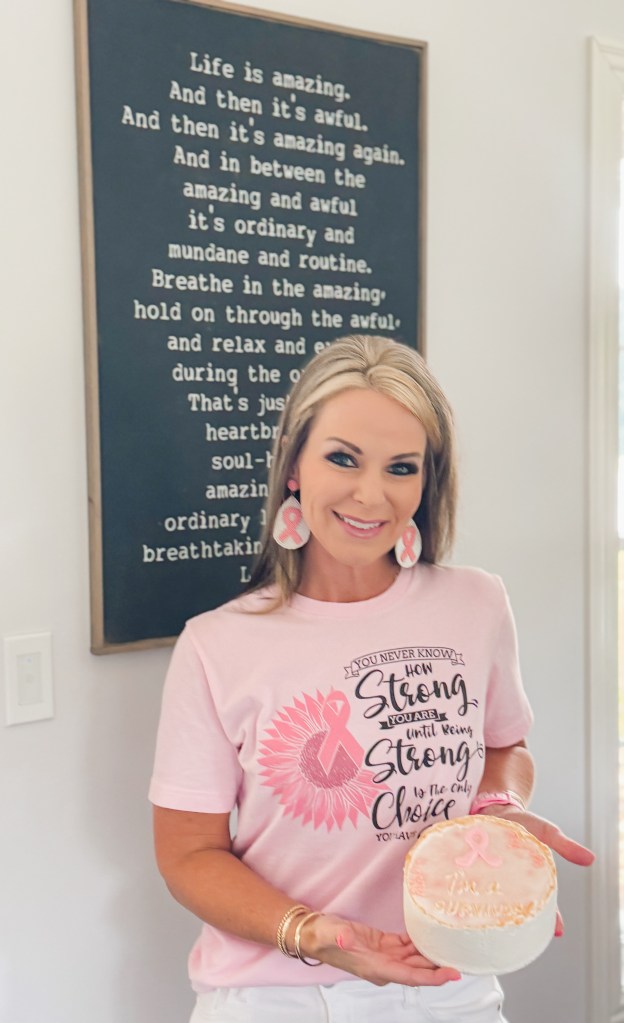
A Russell Springs resident, Heather Hurt-McAninch is the program director and therapist for Adanta Sexual Assault Resource Center.
The 43-year-old married mother of two credits getting a mammogram for the early detection of a pre-cancerous condition called atypical hyperplasia, which was diagnosed last July. The condition is an accumulation of abnormal cells in the milk ducts and lobules of the breast, and it increases the risk of developing breast cancer.
Heather’s biopsy revealed ductal carcinoma in situ (DCIS), which is the presence of abnormal cells inside a milk duct in the breast. This is considered one of the earliest forms of breast cancer.
“I was so blessed to have caught this early,” Heather said. “I would have never known had it not been for a mammogram.” She said she knew she had to fight, stay strong, and stay positive.
Heather received her treatment at Brown Cancer Center in Louisville, Baptist Health of Louisville.
In a whirlwind of appointments with surgeons, gene testing, an MRI, and pre-op, Heather was scheduled for a double mastectomy last August. “During this surgery they took two lymph nodes from my right side. Both were tested and came back negative. I did not have to have any chemo or radiation,” she said. The day after her surgery, Heather developed a hematoma which needed to be drained.
After a series of complications in the coming months, Heather said her plastic surgeon began the expanding process but with no breast tissue, she said her skin was so thin it could not handle the process. The expander — a balloon-like implant used during breast reconstruction to stretch the skin and muscles to make room for a permanent implant — had become exposed.
Heather was able to have reconstruction surgery on one breast in December, while the other needs to heal before she can have it reconstructed. That is scheduled for this coming January.
“I had an army of support from so many people,” Heather recalled. “My family, my friends, my church family, my community, and complete strangers.” She said they were with her at all times. Heather said her best support came through prayers, which she said she felt every step of the way, saying there was peace knowing God would take care of her.
Heather’s advice to women is: “Get screened! Know you are not alone and there are so many people that will support you. I am a huge advocate for early screening and recommend this to any woman.”
“I am still on this journey, a little over a year later,” Heather said. “But I am so thankful.”
“I have good days and bad days, but I am blessed to be where I am. I am thankful I was given another chance and God spared me.
Alesia Brake
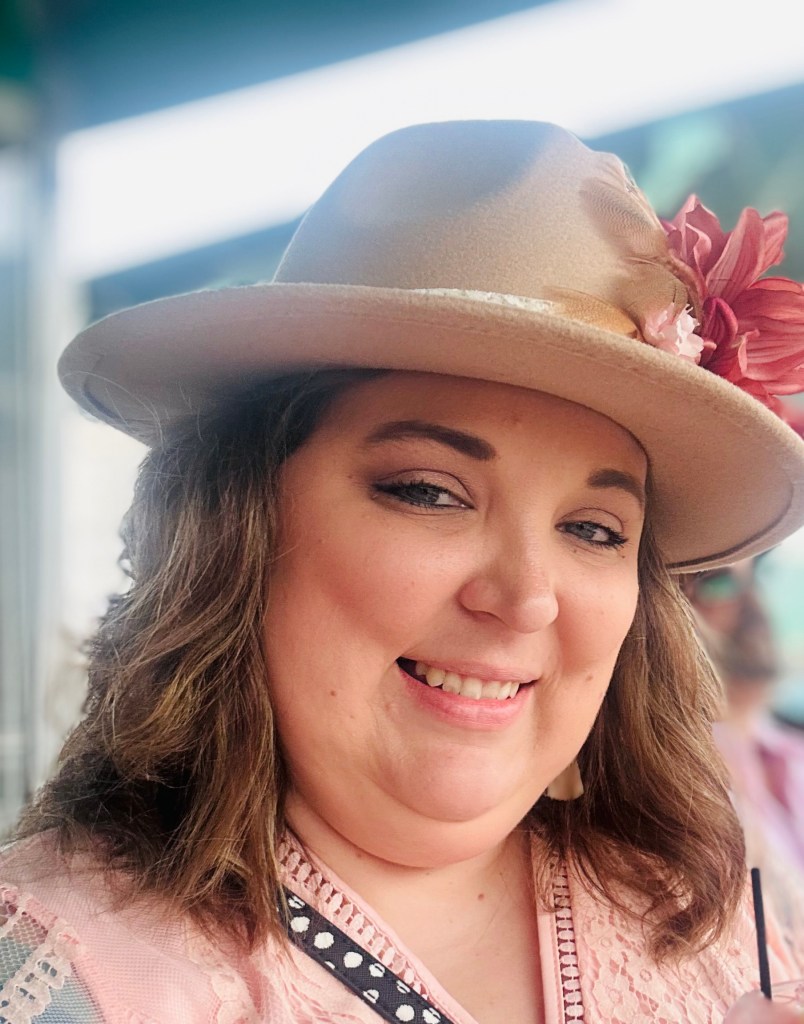
Happily married to her high school sweetheart, with a nine-year-old son, 37-year-old Alesia Brake received her diagnosis on December 7, 2021.
The Monticello resident who works as a nurse said it’s a day “that will forever be vividly burned into my memory.”
“I was initially diagnosed with invasive ductal carcinoma (IDC), stage 1 grade 3 hormone positive HER2 negative,” Alesia explaned. “However, when I had surgery it was upgraded to stage 2B grade 3 with lymph vascular and lymph node involvement.”
Alesia underwent a bilateral mastectomy at Brown Cancer Center, without reconstruction, in January of 2022, which was followed by six chemotherapy treatments and 33 radiation treatments. She underwent a hysterectomy at Markey Cancer Center, as it was discovered she had the BRCA 2 gene mutation. “These are both amazing facilities that provide top notch care,” she said.
Alesia had a year-long course of oral chemo (Verzenio) and said she is currently on hormone suppressants.
Alesia said her husband Isaiah and son Porter were her rocks throughout her treatment and surgeries.
“My husband was, and has to this day, been by my side every step of the way,” she said. “My son, who was seven at the time, learned how to ‘strip’ and empty my JP (Jackson-Pratt) drains and make sure I had all the love and support any mom could ever ask for.”
“I was blessed with an amazing work family that provided meals for us for weeks after surgery,” Alesia said. “My parents have been amazing and would walk through fire for us.”
“My best support has been through talking with other women who have walked this same path,” she said. Alesia said she struggled to find support from women her age. “God blessed me with that group of women and even placed a prayer buddy in my life that spent many late nights praying with me and listening to my doubts and fears.”
Alesia said she is doing well but does have some post-chemotherapy symptoms that she is fighting and learning to cope with.
“I thank God for each day I am granted with my family. I still would love to have a group of women my age that can support each other through this trying journey. I would love to eventually be able to partner with supports to offer a form of mentorship for young women as I believe it would have helped me immensely in my early days of my diagnosis.”
“I want women to know that breast cancer doesn’t only happen to women over 50; it can happen at any age, unfortunately.”
Alesia said if her mother had not been diagnosed with IDC in situ a month prior to her own diagnosis, she would not have insisted on an early mammogram which she says saved her life.
“Don’t be afraid to stand up for yourself. You know your body and your needs,” Alesia stressed to other women. She wants them to know they have a choice in their care. “You can choose your own care and you can insist on the best of the best.”
“Do those mammograms and monthly self exams they literally may save your life like they have mine.”
 Compass Communications