Educate • Empower • Prevent
Story by Lisa Rowell
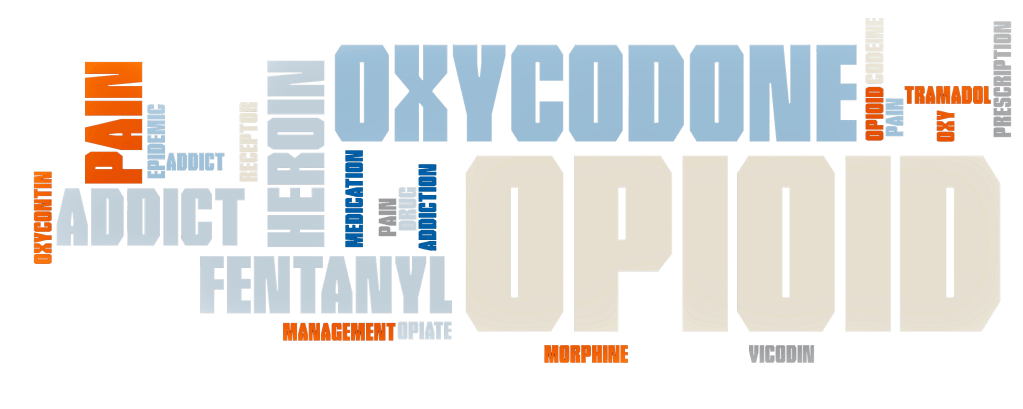
“No one chooses to become an addict,” said Jessie Robinson, Treatment Referral Specialist with Operation UNITE. The stigma surrounding addiction is evolving along with the opportunities to prevent it through education and empowerment.
Addiction is not limited to opioids, nor does it choose gender, age, region or socio-economic backgrounds. It can begin with something as simple as a vape pen in the hands of an adolescent.
We talked with a dedicated group of caring individuals from Operation UNITE at their London, Ky. office to better understand addiction and to learn about the organization’s programs to prevent our most vulnerable citizens from falling into it.
About Operation UNITE
“UNITE” is an acronym for Unlawful Narcotics Investigations, Treatment, and Education — the three-pronged, comprehensive approach deemed necessary to combating substance abuse and misuse.
Operation UNITE was launched in 2003 by U.S. Congressman Harold “Hal” Rogers in response to a special report, “Prescription for Pain,” published by the Lexington Herald-Leader. The series of articles exposed the addiction and corruption associated with drug abuse in southern and eastern Kentucky, which largely included Rogers’ Fifth Congressional District.
Dale Morton, Communications Director with Operation UNITE, said addiction is a very complex topic. The core group of prevention and treatment staff with UNITE that he assembled was open to discussing what the organization does and how addiction affects individuals. They included: Jessie Robinson, Treatment Referral Specialist; Josey Cruse, Area Prevention Coordinator; Robin Parker, “On the Move” and prevention staff; and Dawn Lang, Treatment Director.
Dale said Congressman Rogers is the one who assembled everyone who formed the nucleus of the community coalitions. Shortly after UNITE began, Dale said a voucher program was created that paid for getting people into treatment. “He was already working with the drug courts on a national level and he pushed it in Kentucky and through UNITE.” Dale said as a result, the state saw value in the program.

Law Enforcement
Dale said that as the organization has evolved over its 21-year history, a main focus of UNITE has become prevention, whereas law enforcement had taken more of a primary focus in the organization’s earlier years.
“Law enforcement used to be the primary driver of getting the people who were selling drugs off the street,” Dale explained, “because we had such a problem here in Eastern Kentucky.”
Due to eventual cuts to the grant that helped fund the police involvement in the organization, Dale said the prevention and treatment aspects took on more primary roles.
“Our law enforcement now works primarily through the DEA, assisting local law enforcement agencies in building larger cases that can be taken to the
federal level,” Dale explained. He added, “We have one law enforcement manager that
does work with our prevention team and our treatment team to help get people into recovery. We make those resources available.”
Dale said UNITE helped bring the Angel Initiative (a program created to save lives with a proactive approach to assisting those battling addiction) to Kentucky. Anyone without pending charges can come into any of the 16 Kentucky State Police posts and get help finding a treatment center with no questions asked. It can be as easy to get help as walking through the door. An “angel” at the post will greet the individual and connect them with a treatment center.

The legal system
Dale said the Pulaski County Drug Court is one of the better ones in the state. Robin and Josey both said Pulaski County judges are very supportive which can make a huge difference in the life of a recovering addict.
As part of the Kentucky Specialty Courts, Drug Court gives participants the tools and support to overcome obstacles to recovery and make positive changes in their lives. They can work to expunge their charges, which Josey said he is in the process of doing himself.
A shift in direction
Dale said there used to be a “Hal’s Pals” program in the schools. Rogers saw the value in reaching children through something more intense than just the D.A.R.E.(Drug Abuse Resistance Education) program so he brought together youth from across the region into a summit.
“He invited a couple of representatives from each of the schools to come and meet with him.” Dale recalled Rogers asking the youth in attendance if any had been impacted by substance abuse. Dale said many kids told personal stories about not living at home because their parents were incarcerated, or losing parents or siblings to substance abuse. He said this is when Congressman Rogers knew there had to be more of a shift to prevention.
Lifelong journey
Josey said a fact of recovery is that an addict can relapse as many as seven times before becoming successful at staying clean.
“Substance use is a medical thing,” Dale added. “It’s a disease. You can be tempted one time and the cycle begins again.”
“A majority of people probably don’t think about it,” Dale explained, “when you’re able to get clean from your current addiction, you are not back to normal. You are in a process of recovery that is going to last the rest of your life. It’s going to require lifestyle changes.”
Robin said most insurance companies have a cap on how many times they will pay for addiction recovery treatment. “It can be difficult to get funding to go through treatment,” she said.
Dale said the rules are constantly changing about assistance programs but the one thing that isn’t changing, is you cannot pay for 30 days of treatment and expect to be recovered. “It takes a much longer period of time and the funding for a long-term program is still tough.”
Through UNITE’s treatment initiative, individuals seeking help can receive information about short- or long-term treatment programs, Drug Court, or after-care support groups. Low-income individuals living in UNITE’s 32-county service area may qualify for a UNITE treatment voucher to help cover the costs of residential treatment for drug-related addictions.
Josey’s story
“I will tell you from personal experience,” Josey Cruse began. “I got sober in jail. I was incarcerated. For a solid year, I could notice — especially after six months — almost tangible changes in the way I thought, the way my emotions were.” Josey was in what’s called a SAP (Substance Abuse Program) while in jail. “It started opening up layers of stuff,” he said. “My emotions were very unregulated and things were just changing for a year.”
When asked if there was support for recovering addicts in jail, Josey said every county can be different in how it’s operated. “There are stipulations and guidelines but as far as the extra programming, they are not created equal.”
Dale said the Pulaski County Detention Center is ahead of the curve with its re-program initiative that is rather unique. What was once a medical warehouse building, is now a facility to help teach skills for successful re-entry once released from the system. The program was created by Pulaski County Jailer Anthony McCollum.
As for personal experiences, Josey and Robin both said they are open books in sharing their journeys to help with addiction prevention.
Josey shares his personal information in order to connect, relationship-build, and open dialogue with program participants.
“On the Move!”
Specifically designed for seventh and tenth grade students, “On the Move!” is an initiative created in 2013 that’s focused on drug education and prevention. Robin is a part of this staff. The program is offered to schools at no cost, in collaboration with the Kentucky Army National Guard.
Dawn said those age groups were chosen for the initiative as being vulnerable grades in both middle school and high school. She said tenth grade also touches upon drunk driving awareness.
Josey said during the last school year, three middle school students showed up for the program with vape pens which they voluntarily surrendered.
Dale said the program is ongoing and prevention-focused. “We are an advocate for a substance abuse prevention program that’s ongoing, that’s constant, that’s grade-level specific.”
Educate, empower, prevent
“Too Good for Drugs” is another program aimed at prevention of substance abuse. The universal K-12 program is designed to mitigate risk factors for substance abuse through skills development.
“Freedom over Fentanyl” teaches high school students about the risks and dangers of that drug and how accidental overdoses can happen.
The organization has programs about internet dangers, risks associated with drug misuse, making drug-free choices, and examining how seemingly harmless but criminal acts can get them involved in the criminal justice system.
All of these programs are at the core of Operation UNITE’s mission.
Robin said there is a huge percentage of children not living with one or both parents or living in conditions that might foster early substance abuse. Being able to reach them through these programs before they start using substances is huge.
Nicotine
“The Truth About Vaping” program is tailored for students in the fourth through twelfth grades to provide an awareness of the harm that vaping can cause. This substance use can start at a very young age.
Josey said, “When you introduce a substance like nicotine — or any other substance — to a brain that’s developing, it alters that development. It makes you more likely to be addicted to other substances later in life.” He said the amount of unchecked trauma our youth are experiencing adds to the problem. “The easy availability of nicotine through vapes and high potency THC is fueling a fire that’s already out of control.”
Josey said in many cases, parents are the ones buying the vapes for their children, unaware of the harm they can cause. “The boundary has shifted and it’s become ‘acceptable’ now,” Josey said. These substances are strategically being marketed directly to children through social media, sponsorships, offering scholarships, or creating fun, appealing flavors. Some devices even have video games built into them.
Josey said the nicotine in vapes is lab-created, and can be twice as addictive as regular nicotine. He said if adults with developed brains who have impulse control issues have trouble with it, imagine what it does to a child. He said the nicotine consumption of some of these kids is the equivalent to three and a half packs of cigarettes a day. Early nicotine users are up to 400 percent more likely to become lifetime users and are more likely to abuse other substances. The group said the peer pressure and exposure to nicotine is overwhelming.
Dawn said, “The sad part about it, is the majority of treatment facilities don’t ban tobacco. We know you have a 75 percent greater chance of relapse if you continue to use tobacco after you get out of treatment.”
Our kids need the truth
“Ultimately,” Josey said, “our kids need the truth. They need the education and that has to be in place. It’s not going to work retroactively.” He said UNITE is set up as a holistic approach. Robin and Dawn added that scare tactics are ineffective with today’s youth.
“We cannot lose credibility with these kids,” Josey said. “We must build relationships and provide tools. We’ve got to remove barriers and that takes us all working together.”
As Jessie said, these kids don’t choose to become addicts.
Operation UNITE currently serves a 32-county area, with each county having its own UNITE coalition. For more information or to volunteer or get involved, visit OperationUNITE.org.
 Compass Communications